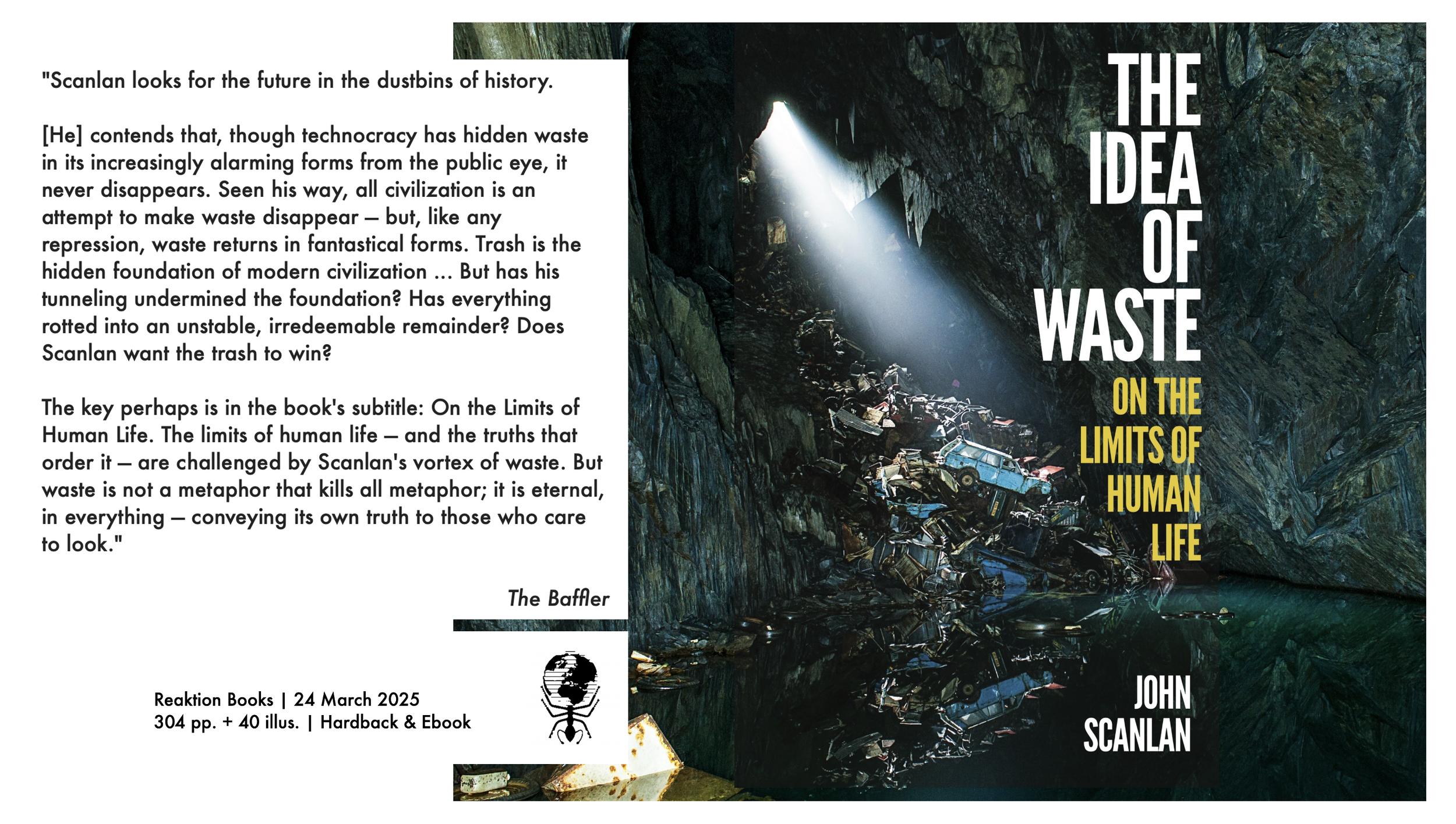
Available from: Reaktion Books (March 2025) | University of Chicago Press (May 2025)
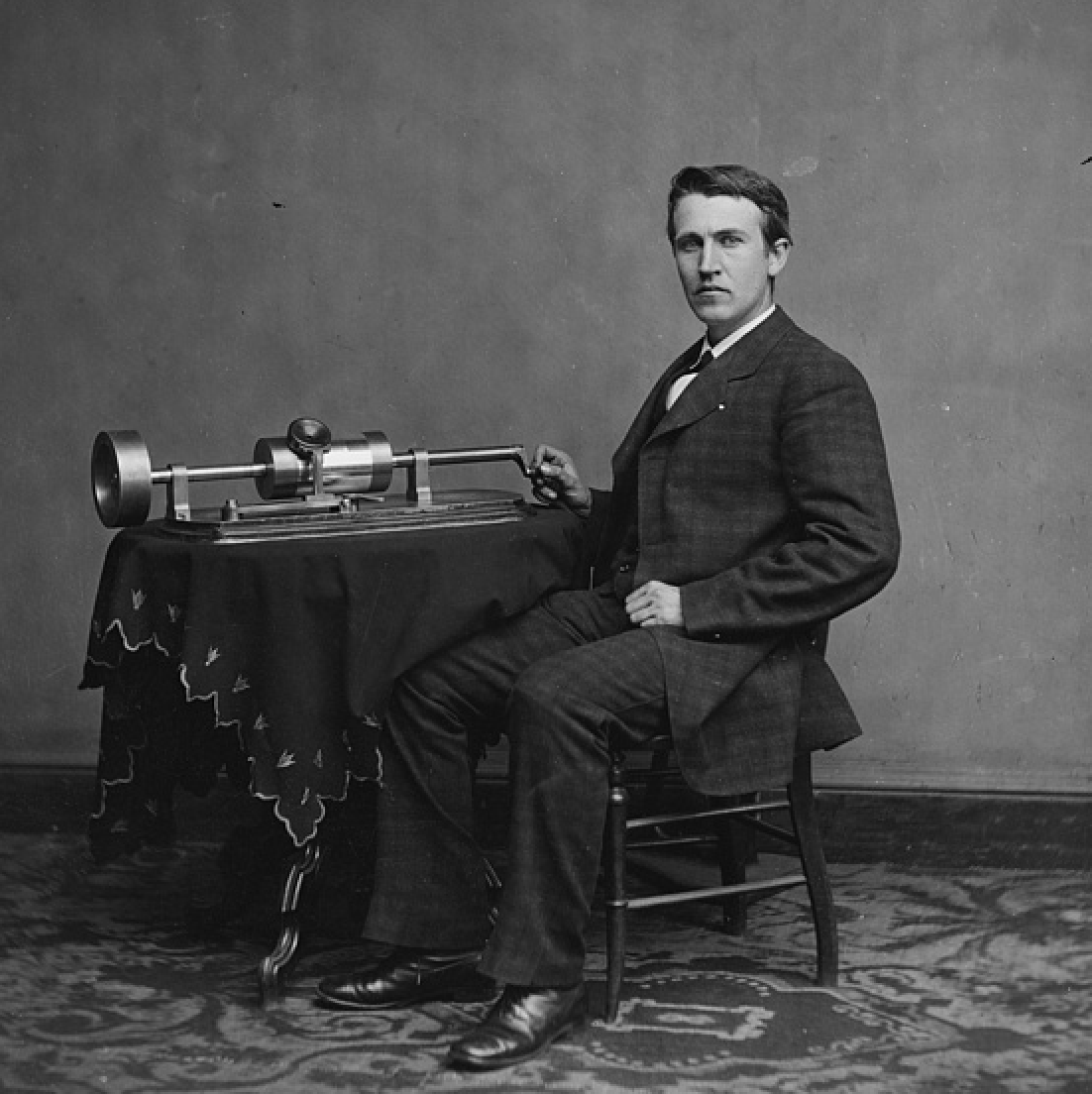
‘Fragments of Time and Memory: Matter, Media and the Modern Auditory World,’ in European Journal of English Studies, Vol. 15 (2011), pp. 19-29
This article looks at the emergence and development of the modern auditory world, its relation to time, space and the human body and how these may inform our understanding of material culture today. The first part explores the materialisation of time in phonographic sound as an instance of the fragmentation of modern life, and how this displaced the temporal experience of the premodern world. The second part looks at the impact of magnetic tape recording, which permitted sound artists to produce multitemporal audio collages. The essay concludes with a consideration of how the material culture of sound ends in the human body – its final materialism – just as the old sound objects of analogue technology appear to be dematerialised.
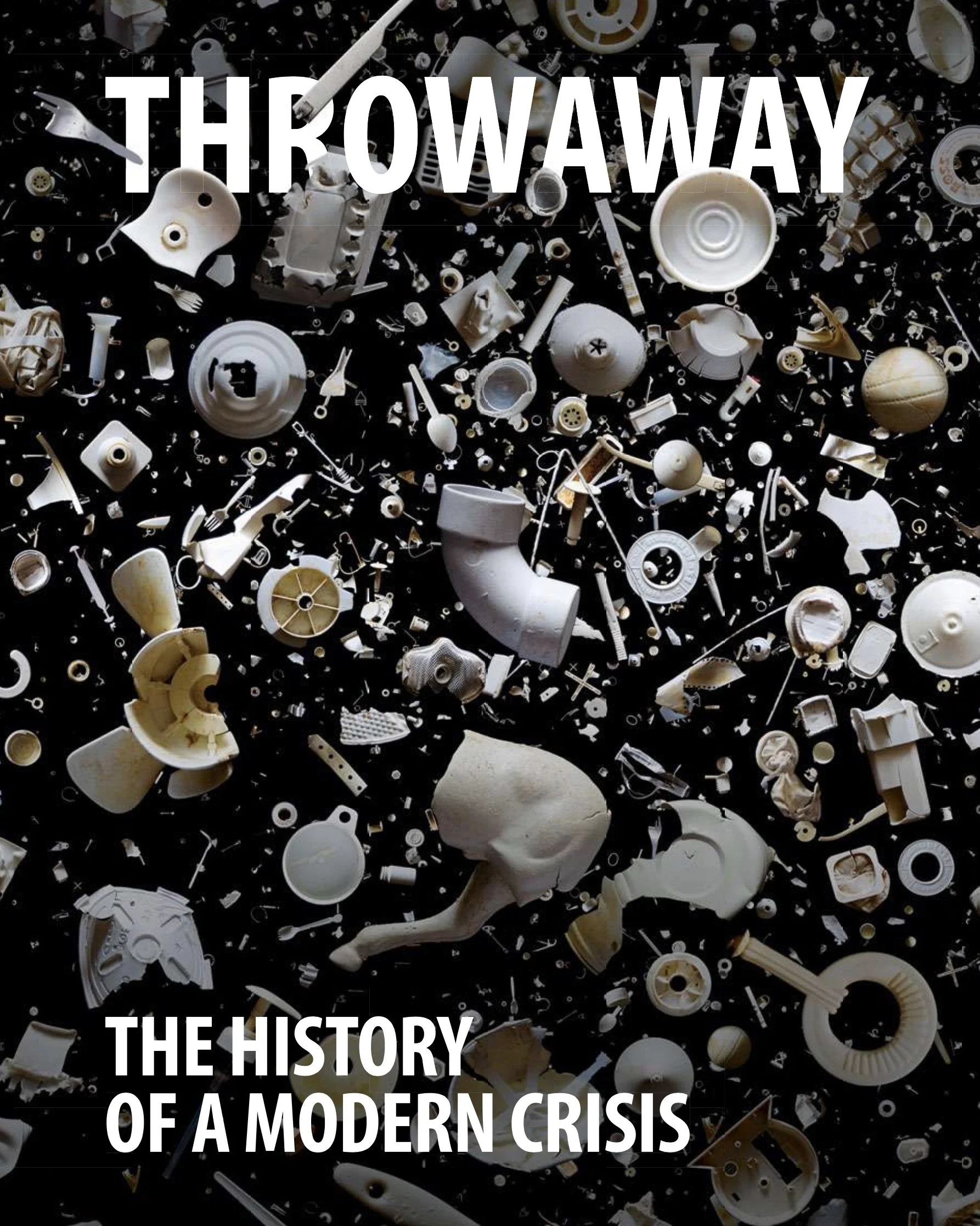
'Art / Waste' in Throwaway: The History of a Modern Crisis, ed. Christine Dupont, Stéphanie Gonçalves & Emma Teworte (Luxembourg: Publications Office of the European Union, 2023), pp. 126-143
The second half saw the growth of vast landfill sites designed to absorb the rubbish of everyday life, which were located on the margins of our towns and cities.
These hypertrophied extensions of consumer life remained, for the most part, comfortably out of sight to most of us, ensuring that we could easily forget what we were throwing away. At the same time as all this rubbish was being spirited away to these places, it was also being valued for other reasons by a wide range artists, and often associated with new aesthetic ideas that attached a different significance to the leftovers of everyday life. This article looks at the work of a number of European movements and artists.
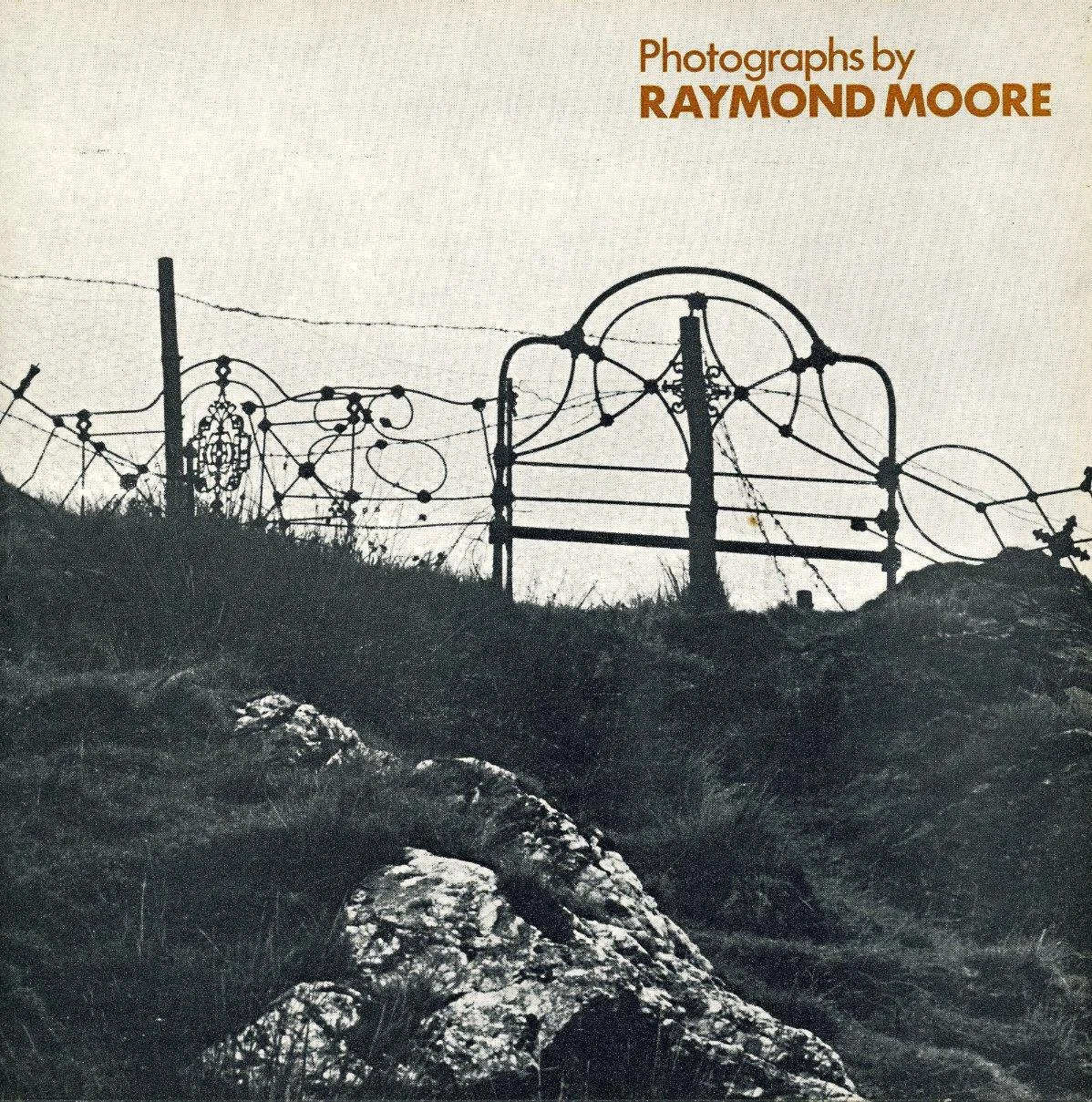
'Raymond Moore’s Uncertain Places,’ Photographies, Vol. 15, No. 2 (2022), pp. 225-239
This article examines the work of late British photographer Raymond Moore (1920–1987) and the ways in which his images of landscapes and objects allow us to understand his work as being driven towards encounters with what I term uncertain places, which is to say places in transition or between states of being that also point the observer of these images to that which lies beyond even photographically-aided perception.
‘Duchamp’s Wager: Disguise, the Play of Surface and Disorder,’ in History of the Human Sciences, Vol. 16: 3 (2003), pp. 1-20.
This article considers the notion of 'play' in the plastic arts as described by Johan Huizinga, its relation to the materiality of the art object, and how it could no longer be sustained following Duchamp’s introduction of the ‘readymade’. Duchamp's readymades force a re-evaluation of plasticity (and thus of Huizinga's definition of play), and introduce a permanent revolution of plasticity, which must be considered as the expression of an essential disorder underlying all appearances. I argue that Duchamp achieved this by employing strategies of disguise in order to lay bare the epistemic play of surfaces, and thus the contingency of knowledge and identity.
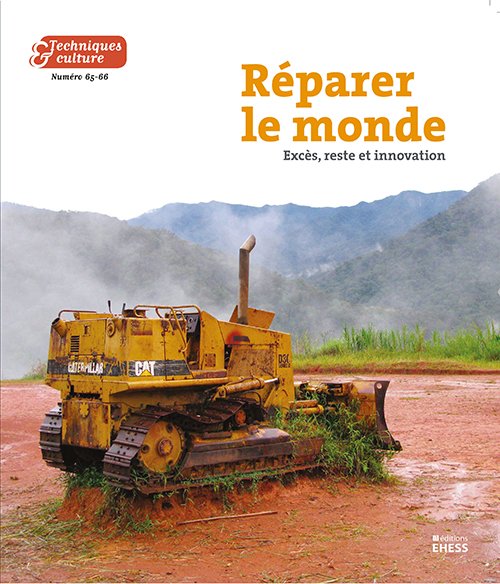
'Surf Life, ou l’excès à l’ère du numérique' in Techniques & Culture, Vol. 65/66 (2016): ‘Repair the World’, pp. 494-501.
‘Surf Life’ is term that attempts to describe some of the characteristics and consequences of what I suggest is a new ecology of remembering and forgetting. The forms it takes, and the consciousness it seems to give rise to, cannot be separated from the ways in which we come to live in, and with, time and place as they are conditioned by the new digital technologies that suffuse everyday life. In relation to the everyday habits of contemporary western life, in particular, this ‘surf life’ might be thought of as a kind of ‘surfacing’ – a disengagement from the consequences of living through an excess of present moments that are quickly rendered obsolete by the arrival of new fascinations.
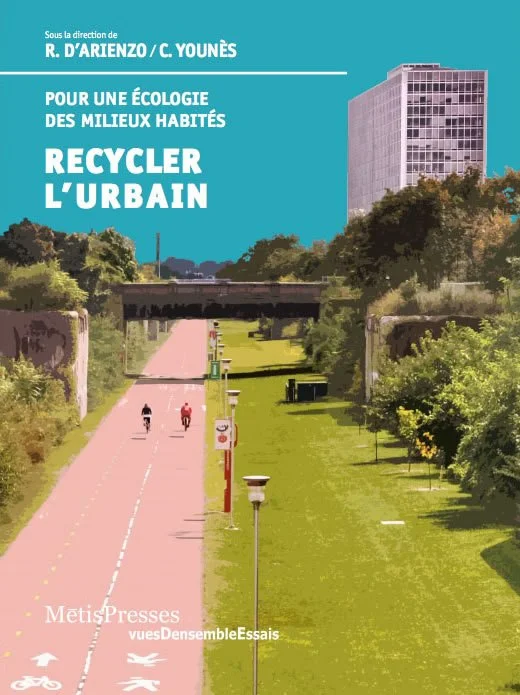
‘The Language of Waste’ in Recycler l'urbain: Pour une Écologie des milieux habités
ed. Roberto D'Arienzo & Chris Younes
Geneva, MetisPresses, 2014, pp. 9-21
ISBN: 978 294040 6 94 4
While the language and terminology of ‘sustainability’ – which sees potential resources in waste – is commonly attached to large issues (the future of the environment, the planet, or human society thousands of years from now) the language of waste still allows us to comprehend more circumscribed or local ‘problems’ and solutions, all of which contribute to an understanding of how difficult it is, and has been to consider the possibility of a goal such as the goal of zero waste.
Available from: Reaktion Books (Juy 2026) | University of Chicago Press (August 2026)
This book is about waste and its inevitability in human culture and society.
Waste could be said to be one of the universal conditions of human existence, albeit one most often kept at bay or on the fringes of awareness. Waste: On the Limits of Human Life looks at its subject within the long perspective necessary to come to terms with how it has existed as a shapeshifting presence that seems to attach itself to human life at every turn, in every age and epoch.
Reaktion Books (UK)
University of Chicago Press (US)
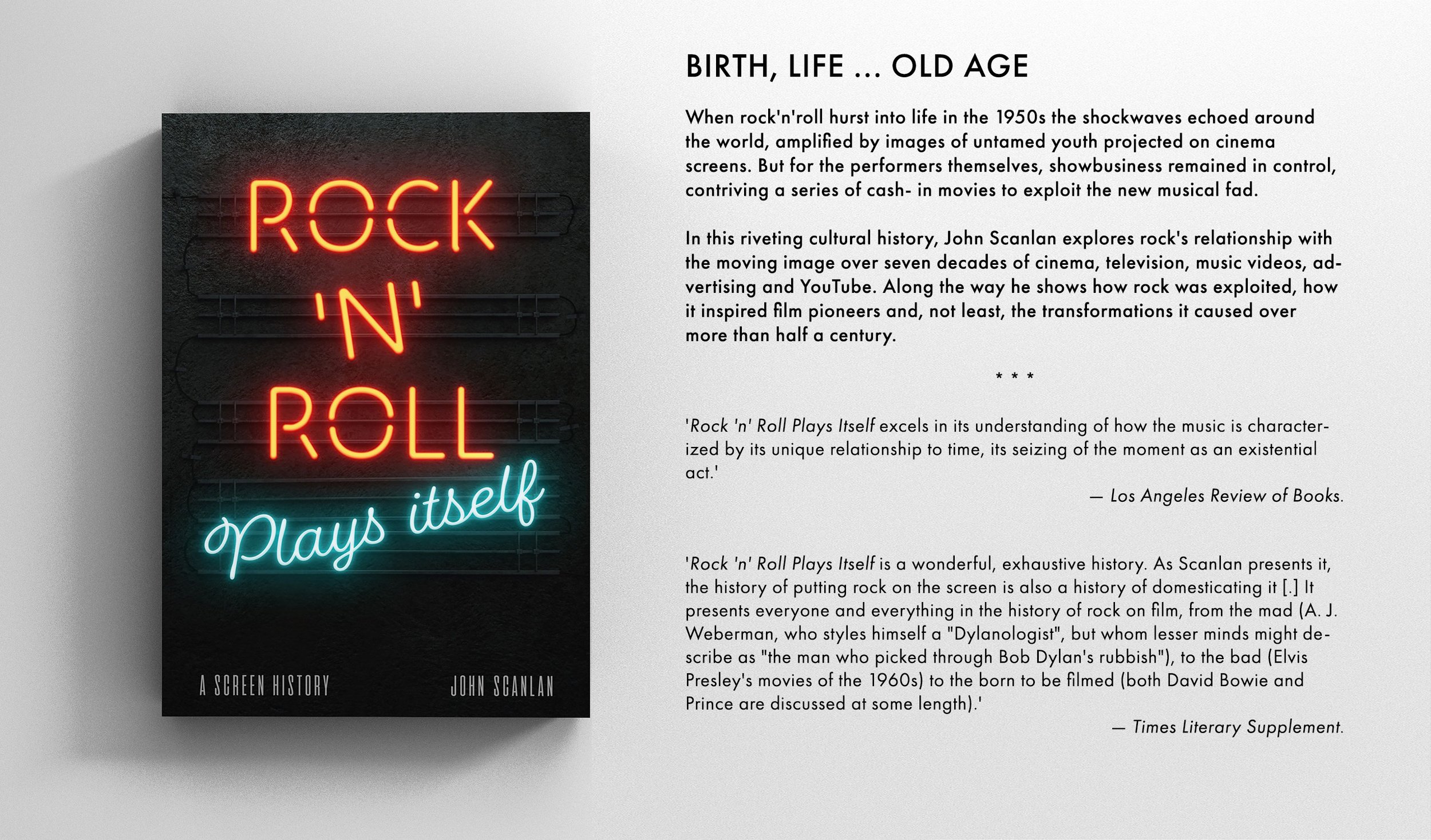
‘Rock ’n’ Roll Plays Itself excels in its understanding of how the music is characterized by its unique relationship to time, its seizing of the moment as an existential act.’ - Los Angeles Review of Books.
In the fifties, when rock ‘n’ roll first burst into life the shockwaves reverberated around the world, aided by the images of untamed youth brought to life on screen. But for rock's performers showbusiness remained in control, contriving a series of cash-in movies to exploit the new musical fad. That world was blown apart by the events of the sixties and the decades that followed …
Reaktion Books (UK)
University of Chicago Press (US)
Memory: Encounters with the Strange and the Familiar probes the nature of a phenomenon we all too easily associate with inner, mental life, and reveals it to be both the source and consequence of the ways we are always remaking the external world as our home.
‘Scanlan argues that the digital revolution and . . . the surfeit of available past experience [it produces] threatens to overwhelm the present […] Memory: Encounters with the Strange and the Familiar poses a challenge to connect historical accounts of the reductive focus on individual memory as recall in the neurosciences to these broader sociocultural meanings of memory.’ — Bulletin of the History of Medicine, 2015.
Reaktion Books (UK)
University of Chicago Press (US)
‘There is such a fine Montaignesque scope to On Garbage ... [a] little masterpiece ... Scanlan [is] an essayist of the first order […] for those who wonder how the species that rises to the horrendous occasions of September 11, 2001, or the recent tsunami, searching for body parts at Fresh Kills Landfill or sorting through corpses for signs of life; how the same human kind could look away from famine and holocaust, Rwanda and Darfur, Scanlan’s inquiries cast some light among the shadows in the dark. Like a wide-eyed miner up from the underworld, what he tenders in On Garbage looks like gold.' — Thomas Lynch, The Times
Reaktion Books (UK)
University of Chicago Press (US)
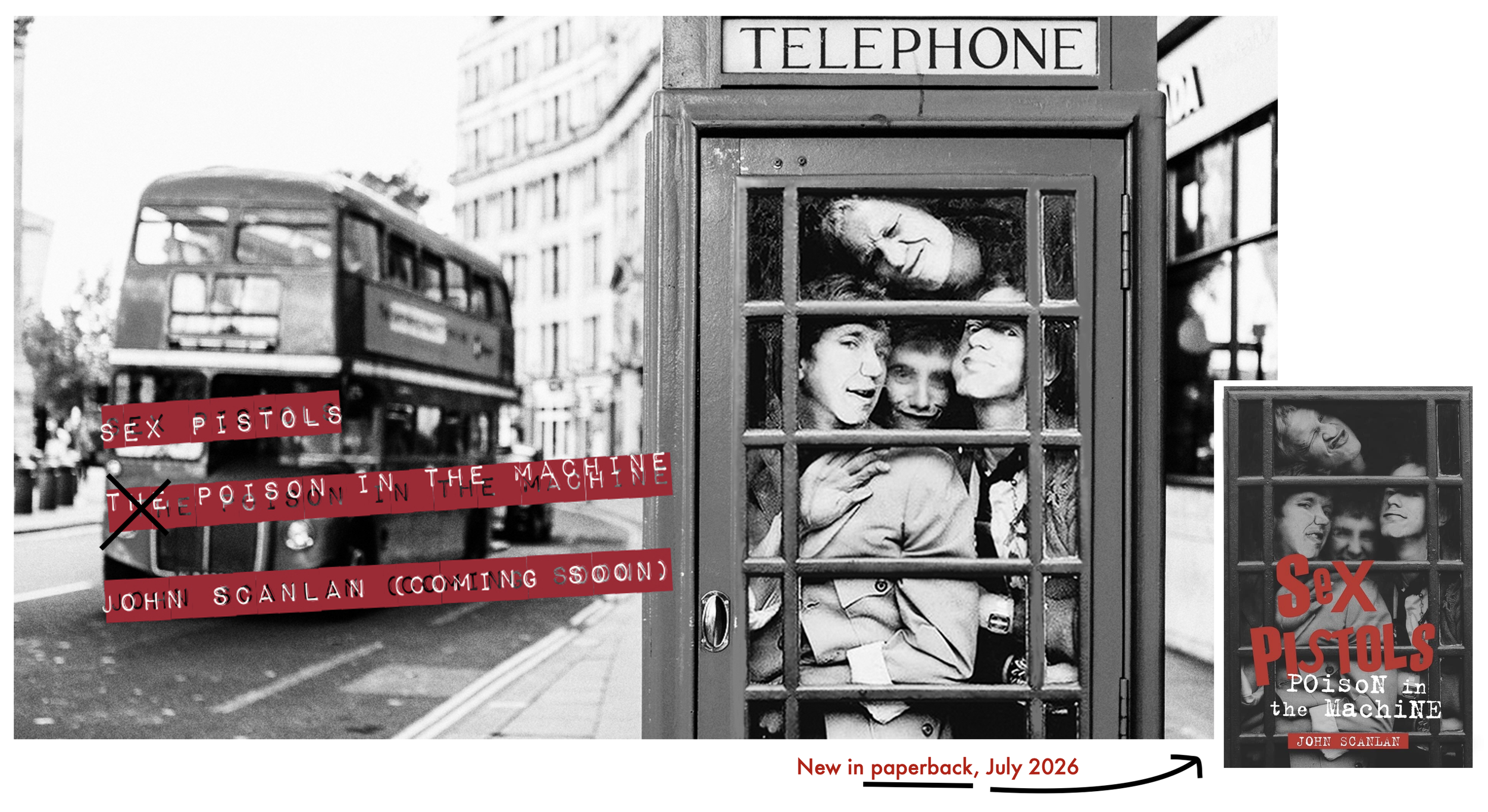
Sex Pistols: Poison in the Machine analyzes the events surrounding the emergence, the eventful career and the subsquent implosion of the Sex Pistols in a manner that could be said to provide an instance of what cultural historian Robert Darnton labelled 'incident analysis'. The book draws on accounts of events as understood by participants at the time, relating it as a story – as against much post-hoc rationalising or culture industry representations made decades after the fact about what the Pistols 'meant' – to reveal the growing conflict between the artistic ambitions of two principal actors, Malcolm McLaren and John Lydon, who held divergent ideas about who and what the Sex Pistols were.
Reaktion Books (UK, 2016)
University of Chicago Press (US, 2017)
‘John Scanlan delivers a beautifully rich and finely researched account of how Americas endless highway has influenced and manifested itself in key artists work . . . Scanlan draws from known documentation but displays an innate feel for his subject as he throws up insightful theories about the more direct times before social media, when artists could be covered at close range by chroniclers of the time . . . It’s rare to find a tome which makes you ponder then punch the air in agreement but this highly recommended work is as much an endangered species as its subjects.’ — Kris Needs, Record Collector
Available from: Reaktion Books (May 2022) | University of Chicago Press (July 2022)